When we think of extensive public transport in the UK, London will inevitably spring to mind – and it is the biggest. What may surprise (and it did with us at Ember Fire Consultants, is that there only 8 other cities and one town with light rail or underground.
Here’s the list:
- London – Underground, Elizabeth Line, DLR, Overground, Tramlink
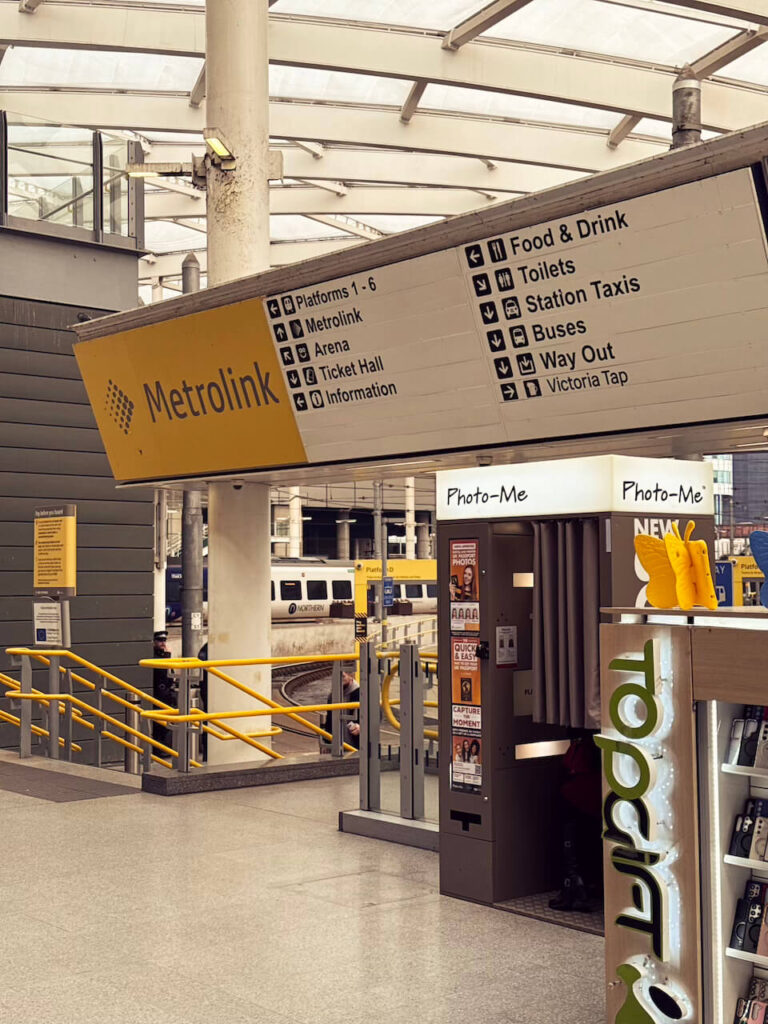
- Manchester – Metrolink
- Newcastle upon Tyne – Tyne and Wear Metro
- Liverpool – Merseyrail urban network
- Glasgow – Glasgow Subway
- Birmingham / Wolverhampton – West Midlands Metro
- Nottingham – NET Tram
- Sheffield – Supertram
- Edinburgh – Edinburgh Trams
- Blackpool – Blackpool Tramway
Blackpool may stand out as many think it’s trams are seasonal (like the one up the Great Orme near Llandudno), but no it’s a permanent fixture.
You may be thinking what is the relevance of this list and content focus for a passive fire project management and installations company, but there are some salient takeaways. London is the behemoth in the UK, in terms of population, but Manchester’s growth is faster and much of that is put down to the introduction of the extensive Metrolink that has seen Salford, Salford Quays, the city centre and MediaCityUK become adorned with skyscrapers.
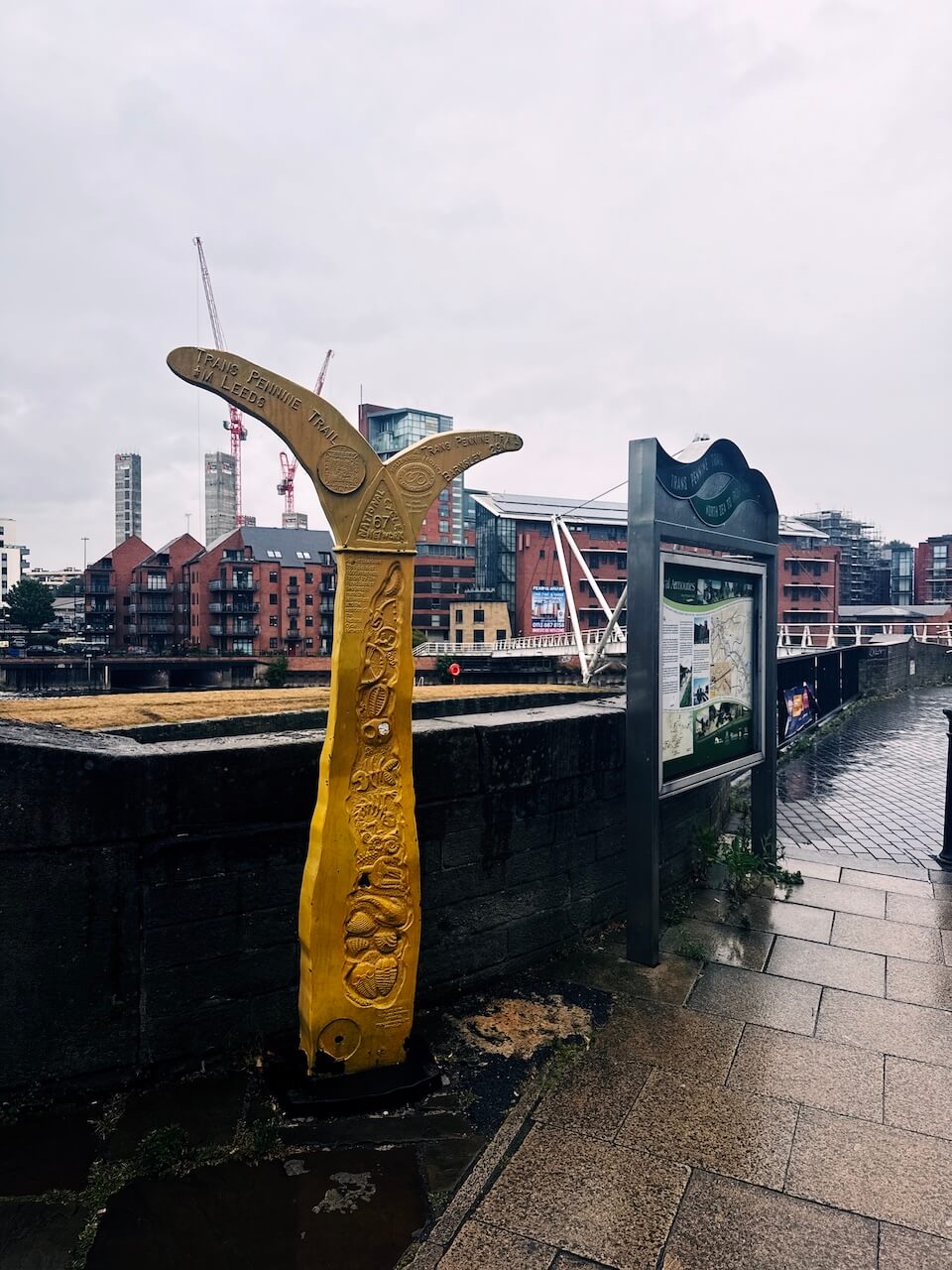
Birmingham is the second city, but Manchester will overtake it and there are notable absences from the list of 10 – where is Leeds, for example, a city we’ve worked extensively in?
Sheffield has a Supertram system but that is not as vast as Manchester’s Metrolink.
Liverpool surprises many as, like London and Glasgow, it has an underground (albeit a handful of stations in the city centre that also run under the Mersey to the Wirral). Newcastle Upon Tyne does similar in the north east of England.

Our point is this – with Manchester investing so heavily in a conjoined yellow Bee Network, spearheaded by wannabe PM and Mayor Andy Burnham, is it any coincidence that its GDP growth and demand for homes exceeds even that of London?
Other major towns and cities rely solely on buses and trains
Where vast, reliable public transport systems exist – whether that’s light rail or underground, demand to live there increases.
Perhaps now is the time for Manchester to emulate its slower developing neighbour across the M62, Liverpool, and go underground with plans afoot for this. Liverpool is also redeveloping the brownland near the new Hill-Dickinson Stadium (home to Everton FC) and the Sandhills station is already close by.
Manchester is of course adding a new station at Collyhurst Village, to the north of the city centre, to serve new residents there and attract further investment in that area. House building and prices have already accelerated where Metrolink stations exist and perhaps its success (and that of Liverpool) need to be emulated by other ambitious towns and cities?