London’s Battersea has undergone one of the UK’s most remarkable regeneration stories. Once defined by heavy industry and its iconic riverside power station, the area has evolved into a thriving destination for residents, businesses, tourists and developers alike. Yet behind every successful regeneration project lies a significant commitment to fire safety, building compliance and occupant protection.
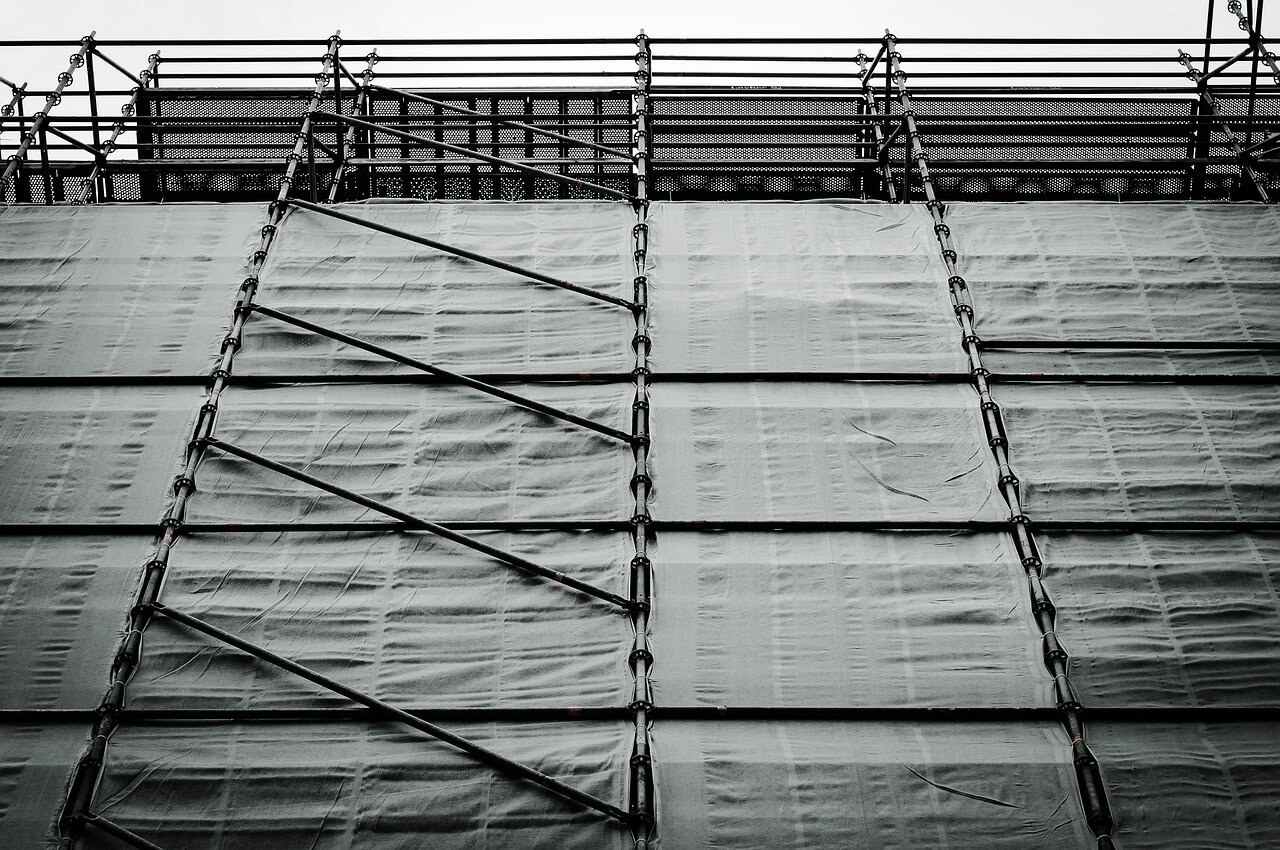
That transformation continues at pace. Construction company John Sisk has secured the £280 million Phase 3C contract at Battersea Power Station, a project that lifted the contractor to the top of the UK’s contracts league for work secured in June. Sisk will begin construction this summer on the final two Frank Gehry-designed buildings that will complete Electric Boulevard, bringing the landmark 42-acre regeneration scheme another step closer to completion. The development will include around 300 new homes, 65,000 sq ft of commercial space, a community hub and expanded cycling facilities, while creating approximately 400 construction jobs.
The appointment reinforces Battersea’s position as one of the UK’s most significant regeneration projects, where preserving historic architecture is matched by the need to deliver safe, compliant buildings for future generations.
Stretching alongside the south bank of the River Thames, Battersea Park covers around 200 acres and provides a welcome escape from central London. With landscaped gardens, sports facilities, lakes, playgrounds and riverside walks, it attracts millions of visitors every year.
Battersea Park: one of London’s green gems
Its location, opposite Chelsea and close to Westminster, places it at the heart of one of London’s busiest districts, where residential developments, transport infrastructure and public spaces all coexist. As surrounding neighbourhoods continue to grow, ensuring buildings remain safe for residents and visitors becomes increasingly important.
Battersea Dogs & Cats Home
Few organisations are as closely associated with the area as Battersea Dogs & Cats Home.
Founded in 1860, the charity has rescued, rehabilitated and rehomed hundreds of thousands of dogs and cats over more than 160 years. The famous centre remains a landmark in Battersea and continues to play an important role within the local community.
Like every large public building, facilities such as animal welfare centres must maintain rigorous fire safety standards to protect both occupants and the animals in their care.
The transformation of Battersea Power Station
Perhaps nowhere demonstrates the value of regeneration better than Battersea Power Station.
Completed in stages between the 1930s and 1950s, the Grade II* listed building became one of Britain’s most recognisable industrial landmarks before closing in 1983. Following decades of uncertainty, the site has been transformed into a vibrant destination featuring homes, offices, restaurants, retail, entertainment and public spaces.
The redevelopment has retained much of the station’s historic character while incorporating modern building systems designed to meet today’s demanding safety and performance standards.
With John Sisk now delivering the latest phase of development, the project continues to showcase how major contractors, architects and specialist supply chains can successfully combine heritage conservation with contemporary construction.
Projects of this scale rely on carefully planned passive fire protection, effective compartmentation, fire stopping, fire doors and compliant building materials to protect complex mixed-use environments for decades to come.
The Chimney Lift: a new view of London
One of the newest visitor attractions is the Battersea Power Station Chimney Lift.
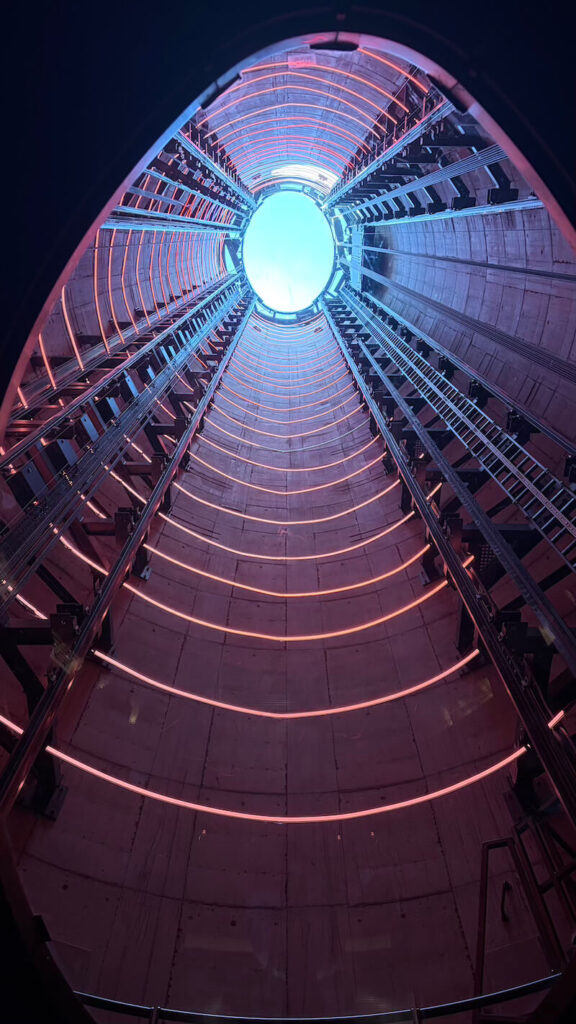
The unique glass lift transports visitors to the top of one of the power station’s famous chimneys, providing spectacular 360-degree views across London’s skyline before descending back into the restored building.
Innovative attractions such as this demonstrate how historic structures can be successfully adapted for modern use while meeting stringent safety requirements for public access and evacuation. You can see images and reels of Battersea on our active Instagram channel too.
Regeneration brings new responsibilities
As Sisk prepares to begin construction on the latest £280 million phase, Battersea continues to evolve into one of London’s flagship regeneration schemes. The completion of Electric Boulevard will further strengthen the area’s reputation as a destination for living, working and leisure, while setting new standards for sustainable urban regeneration.
Large-scale developments bring exciting opportunities, but they also reinforce the importance of robust fire safety throughout every stage of design, construction and occupation.
From heritage buildings and residential towers to commercial premises and public attractions, every development must be supported by effective fire risk management, high-quality passive fire protection and ongoing compliance.
How Ember Fire Consultants can help
At Ember Fire Consultants, we provide both expert fire safety consultancy and high-quality passive fire protection installations for clients across the UK. Working with developers, contractors, building owners, housing providers and managing agents, we help ensure buildings remain safe, compliant and fit for purpose throughout their lifecycle.
From fire risk assessments and strategic consultancy to fire stopping, compartmentation, penetration sealing and fire door compliance, our experienced team delivers practical solutions that protect people, property and assets. Whether supporting a major regeneration project, a heritage building or an occupied residential development, Ember Fire Consultants is committed to raising standards in passive fire protection and helping clients meet their legal responsibilities with confidence.